
Five steps from rock powder to carbon-negative binder
Our process is continuous and runs on minerals that are already mined at scale. Here is what happens to the CO₂ on its way into your concrete.
Step 1 of 5
Feedstock preparation
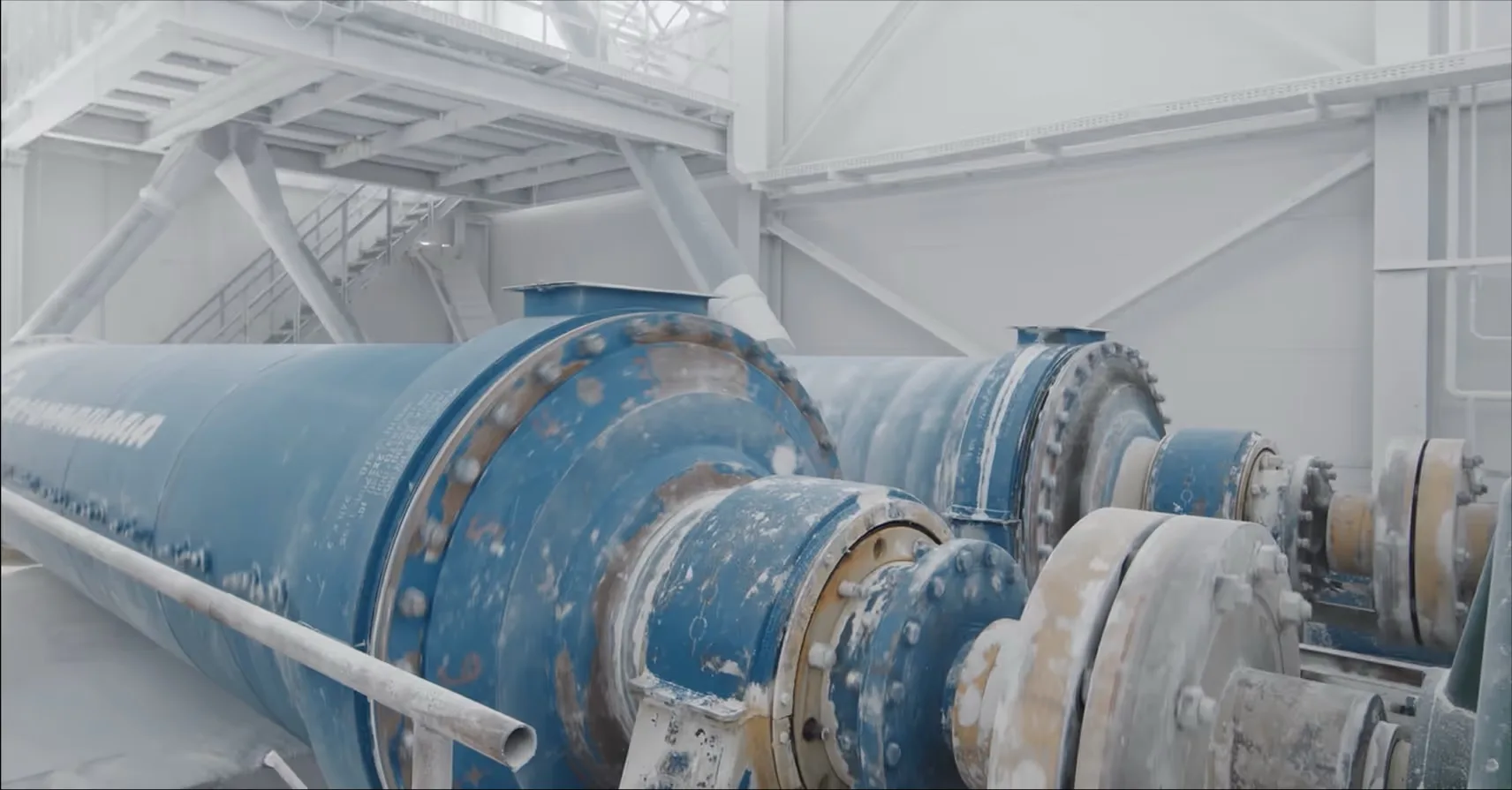
We use magnesium and calcium silicate minerals such as olivine, plus secondary minerals from metallurgical processes. Everything is milled into a fine powder, ready for carbonation.
Step 2 of 5
Carbon sourcing
The CO₂ can come from many sources. We set up our site right next to the emitter to keep transport costs down.
Step 3 of 5
Reactor
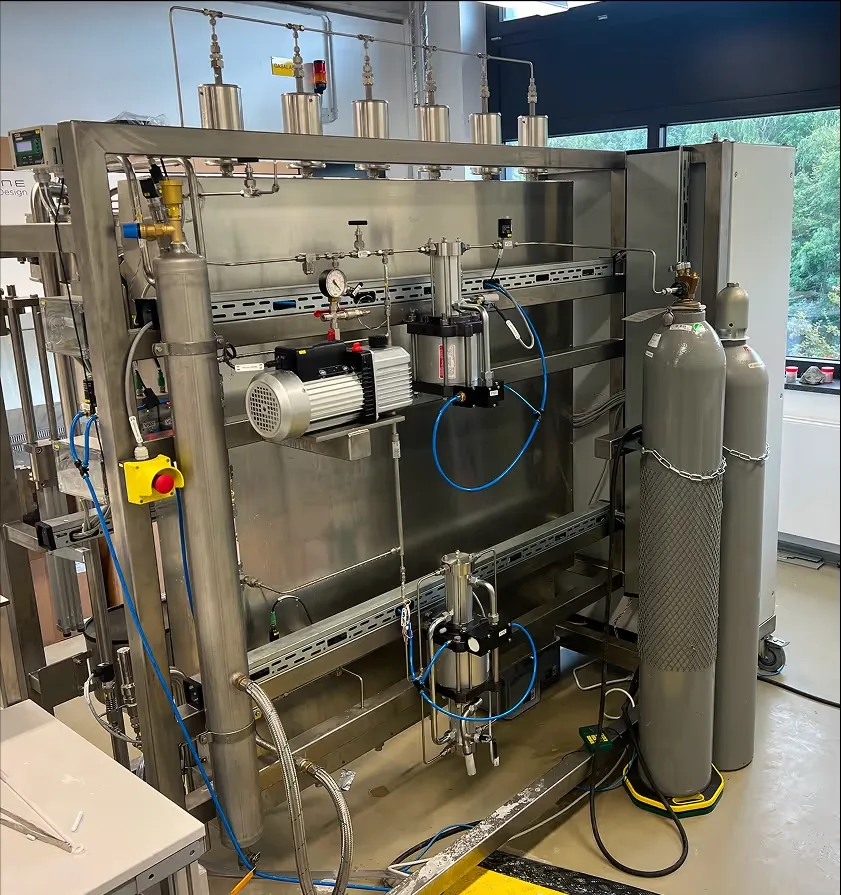
The powder is suspended in water and pumped through our tubular reactor at high pressure and temperature. At the exit the feedstock has turned into rock-solid carbonates and amorphous silica.
Step 4 of 5
Separation
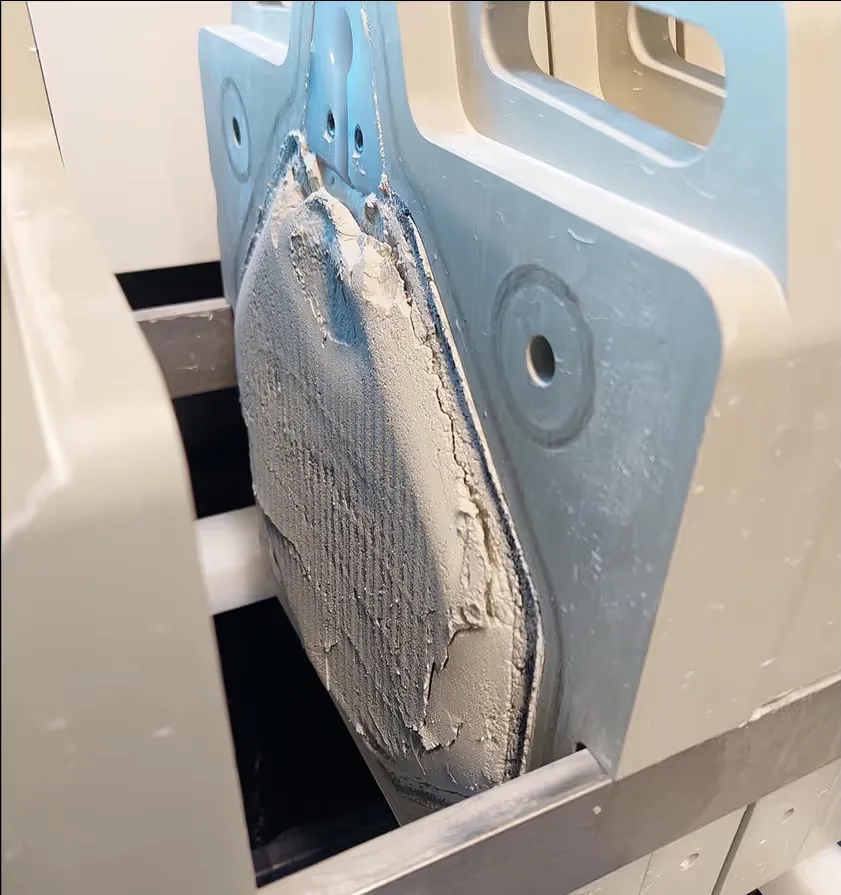
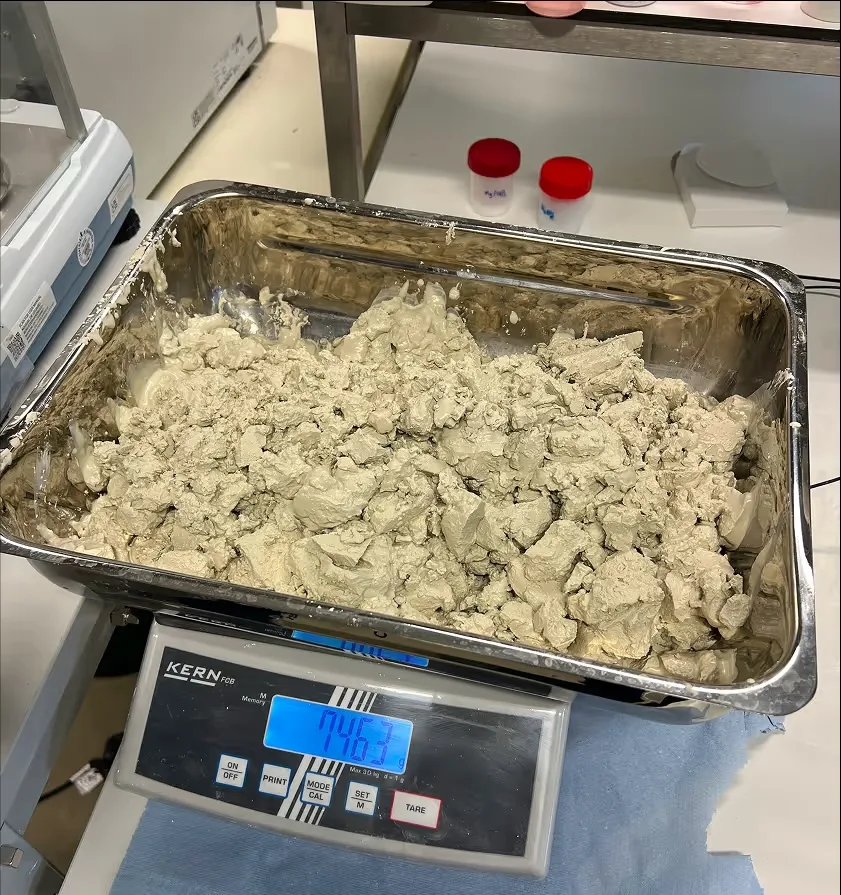
A filter press separates the new material from the water. A rotary dryer removes the residual moisture and CO-SCM leaves as a fine powder.
Step 5 of 5
Green substitute material
CO-SCM goes into a wide range of cement and concrete applications and ships in big bags or silos.
Talk to our team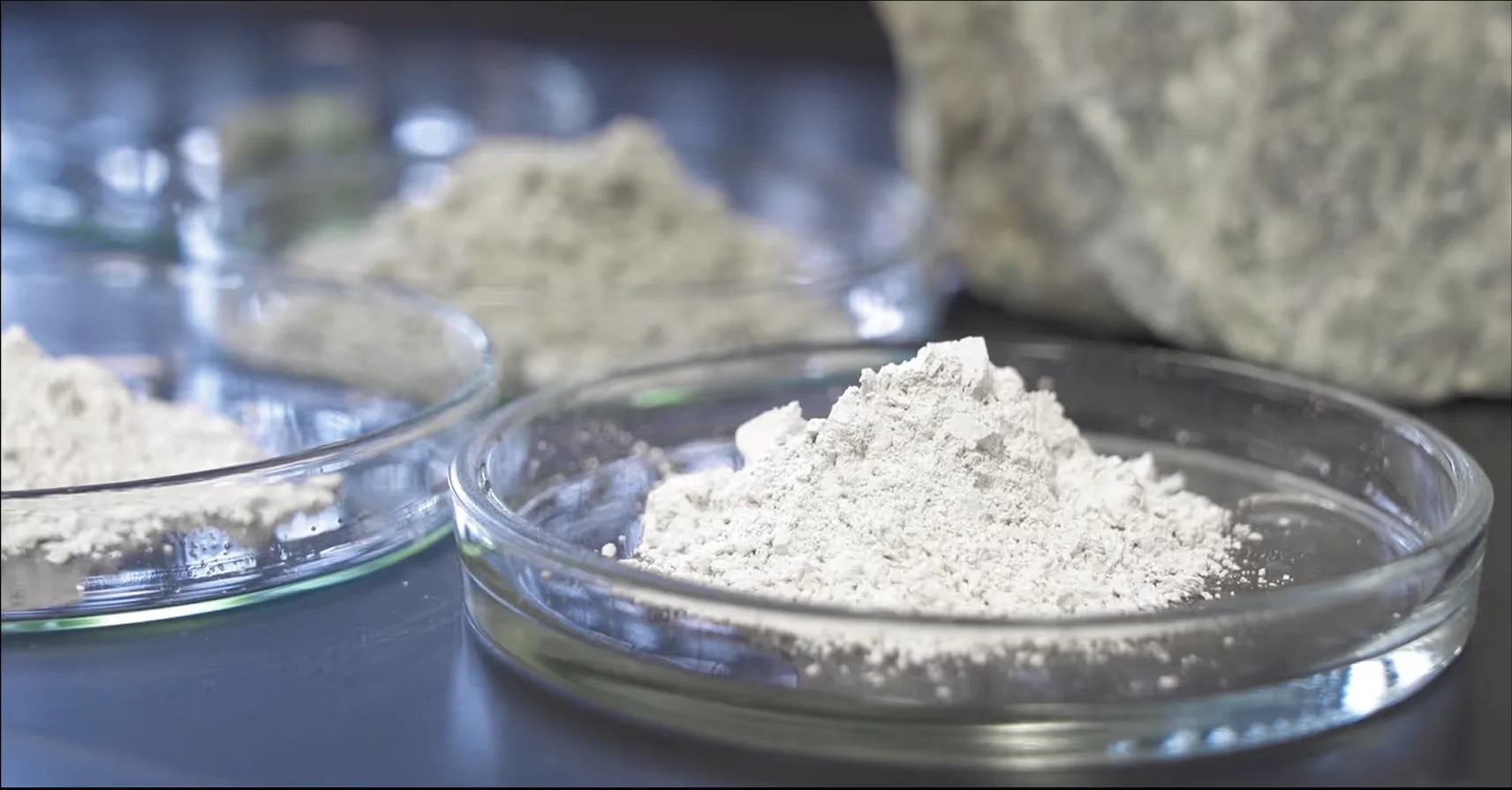
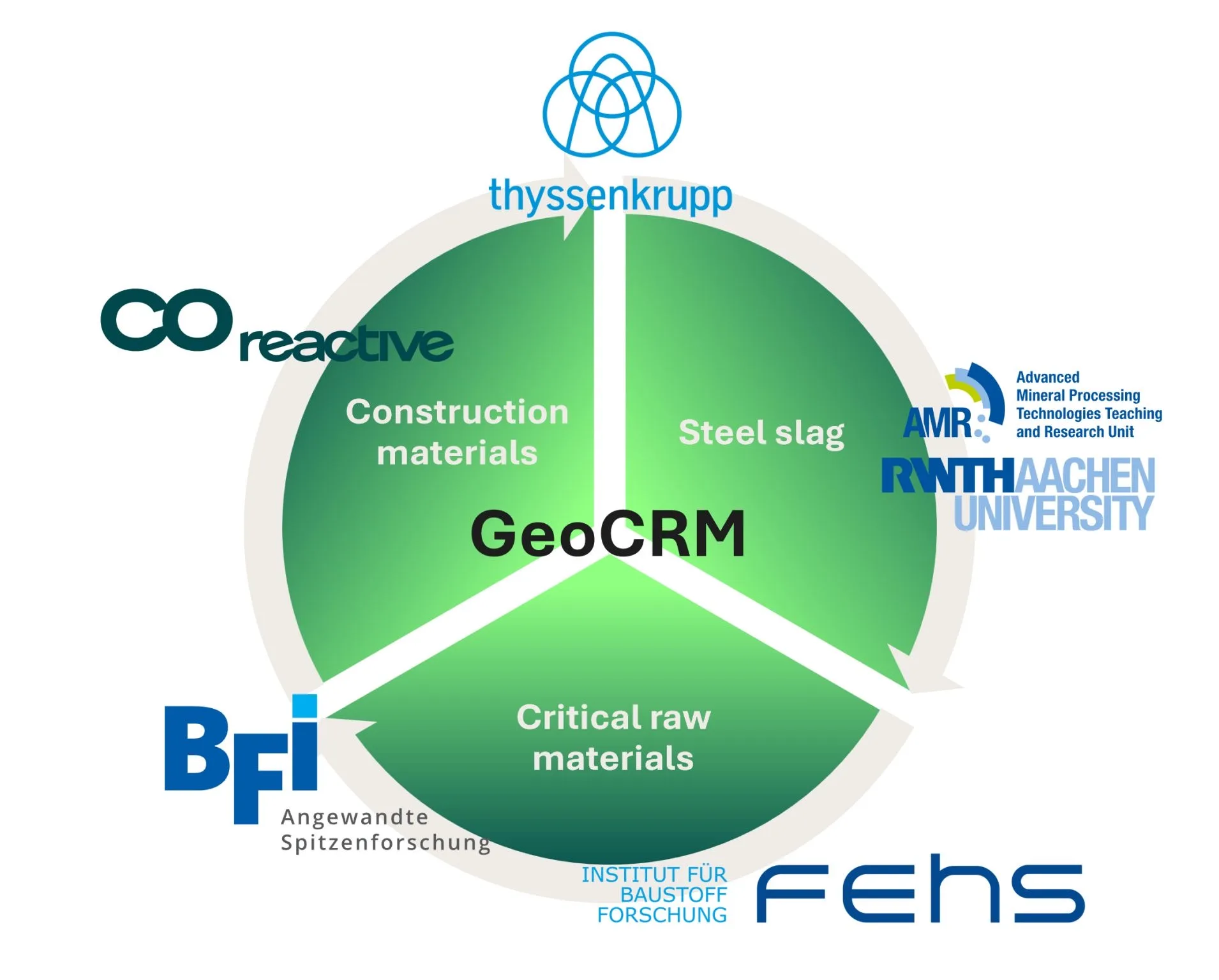
Research: GeoCRM
With thyssenkrupp, RWTH Aachen, FEhS and BFI we work on recovering critical raw materials from steel slag and turning the remaining mineral fractions into CO₂-binding construction materials.
Test CO-SCM in your own mix design.
Talk to us about using CO-SCM in your cement, concrete or construction chemical products.
info@co-reactive.comLudenberger Strasse 44
40699 Erkrath, Germany