
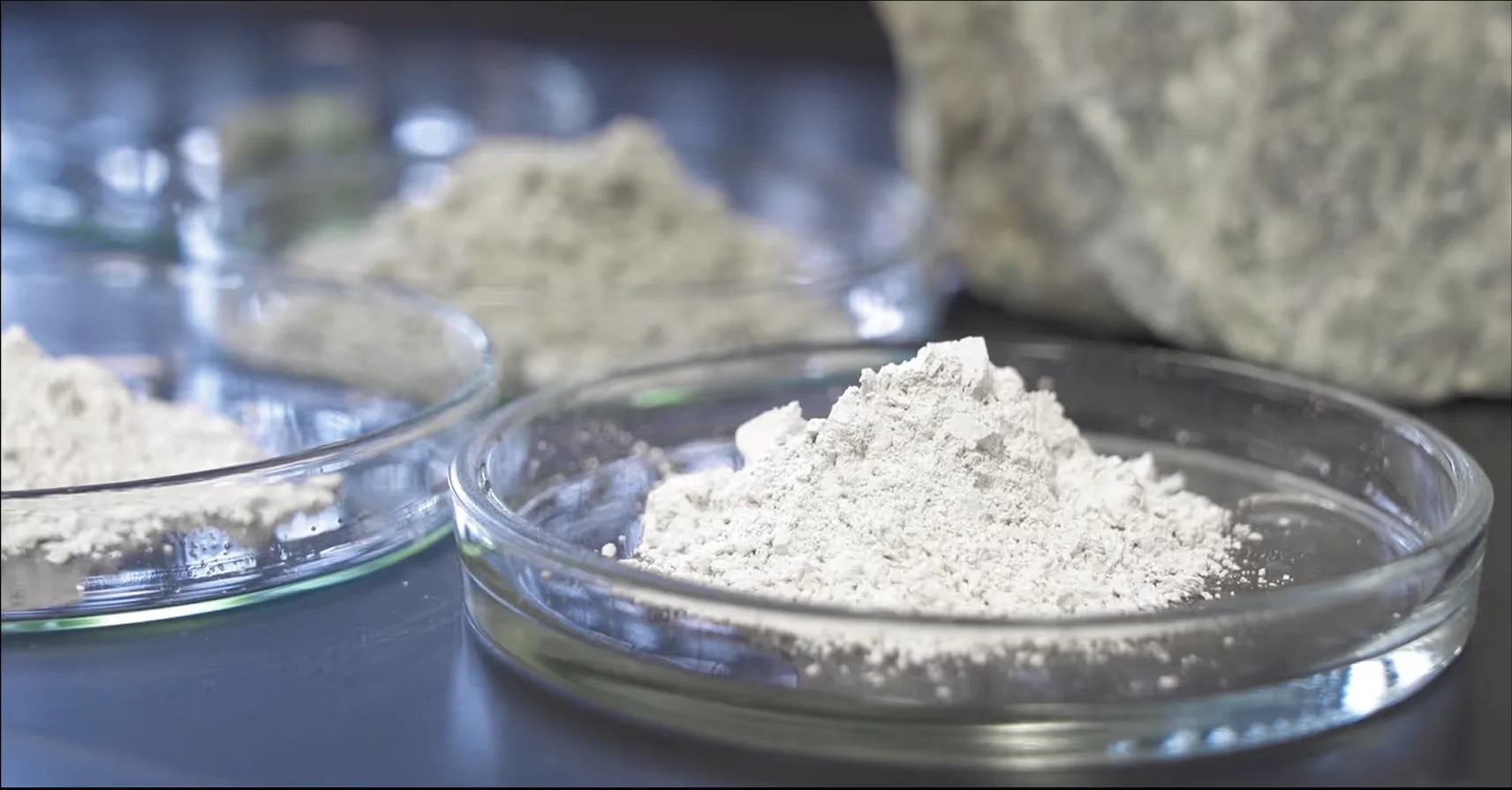
We mineralise CO₂ into a cement replacement for low‑carbon concrete.
CO-SCM stores around 330 kg of CO₂ per tonne and goes into cement and concrete without changing how you produce.
- CO₂ stored
- ~330 kg/t
- Strength activity
- >100 EN 450-1
Our 1,000 tonne demo plant in Erkrath is running. Read about the opening
CO-SCM
A carbon-negative supplementary cementitious material for cement and concrete.
CO-SCM binds CO₂ permanently as stable carbonates inside the solid particle. Its high share of amorphous silica gives strong pozzolanic reactivity, so you can use less clinker and keep strength and durability.
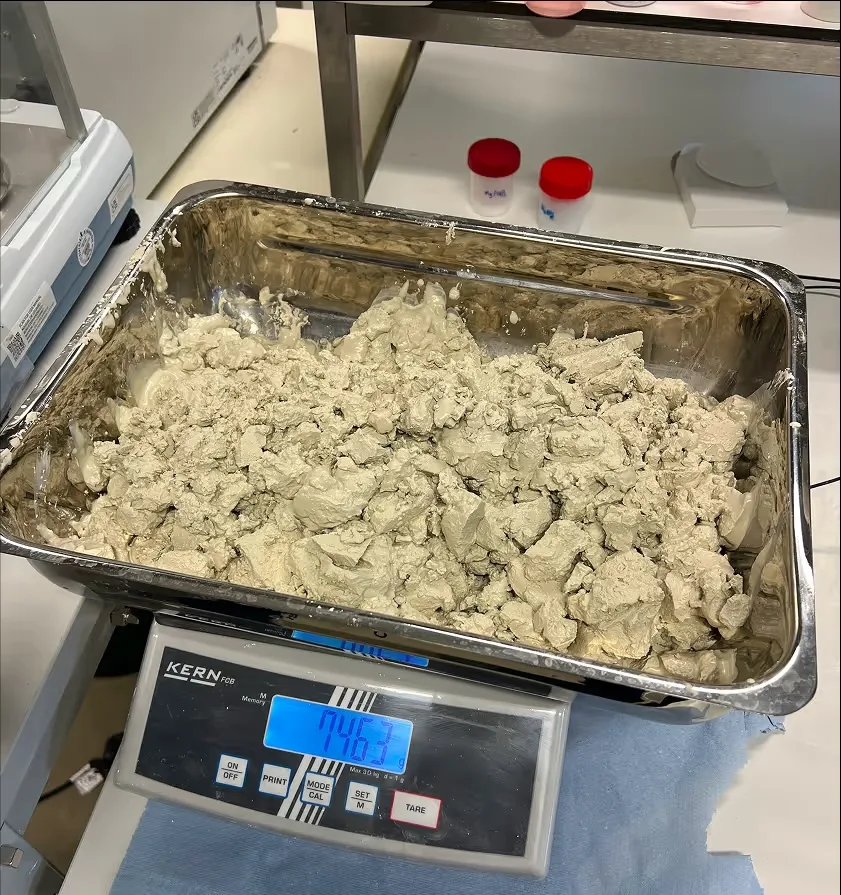
What CO-SCM does to one cubic metre
Pick a binder content and the share of cement you replace. The numbers follow directly from Co-reactive's figure of about 330 kg CO₂ per tonne.
Illustrative arithmetic only, not a mix design. Real replacement levels depend on your cement type, standard and trials with our team.
For a 1,000 m³ pour that is −26 t of CO₂ kept in the building.
Why producers pick CO-SCM
Lower cost of carbon
- Reduce CO₂ costs and certificates under ETS and CBAM
- Meet ESG criteria and corporate climate targets
- Pricing competitive with conventional SCMs
- Works alongside your existing SCMs and formulations
Proof you can rely on
- Technically validated, certified materials
- Compliance with relevant norms and standards
- Developed with leading industry partners
- Locally sourced raw materials, available at scale
Rock powder in, binder out
Milled olivine and CO₂ react in water inside our continuous tubular reactor. A filter press and rotary dryer finish the job. We can build next to the emitter, so the CO₂ barely travels.
See the five process steps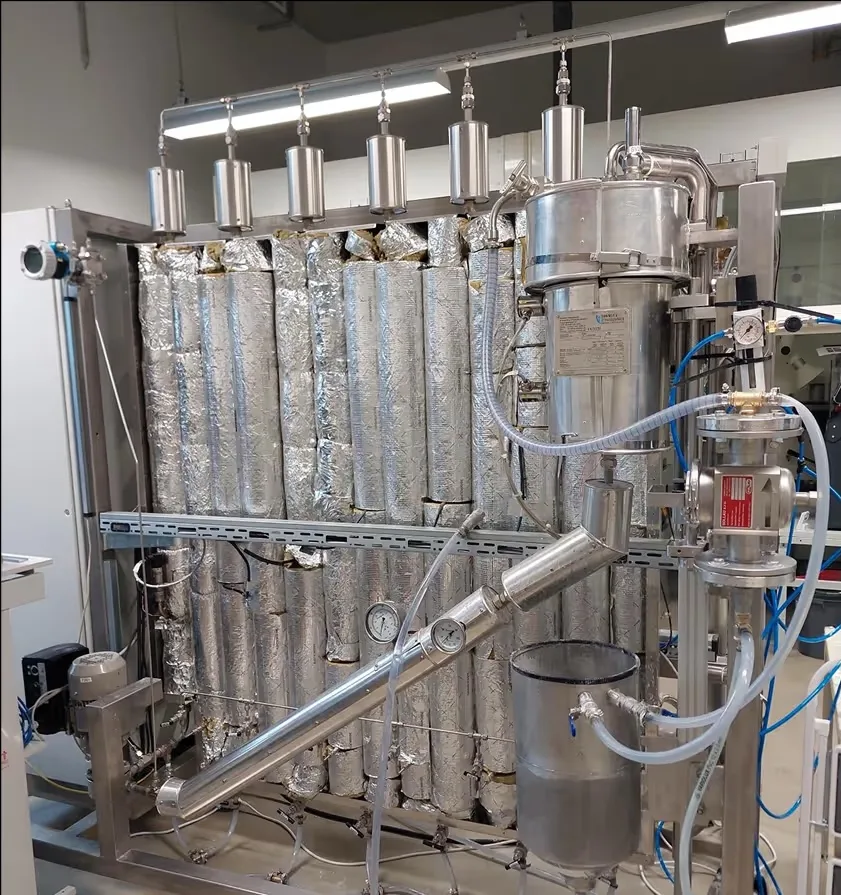

Founded in 2024 out of research at RWTH Aachen.
Meet the companyBacked by research, programmes and partners






Test CO-SCM in your own mix design.
Talk to us about using CO-SCM in your cement, concrete or construction chemical products.
info@co-reactive.comLudenberger Strasse 44
40699 Erkrath, Germany